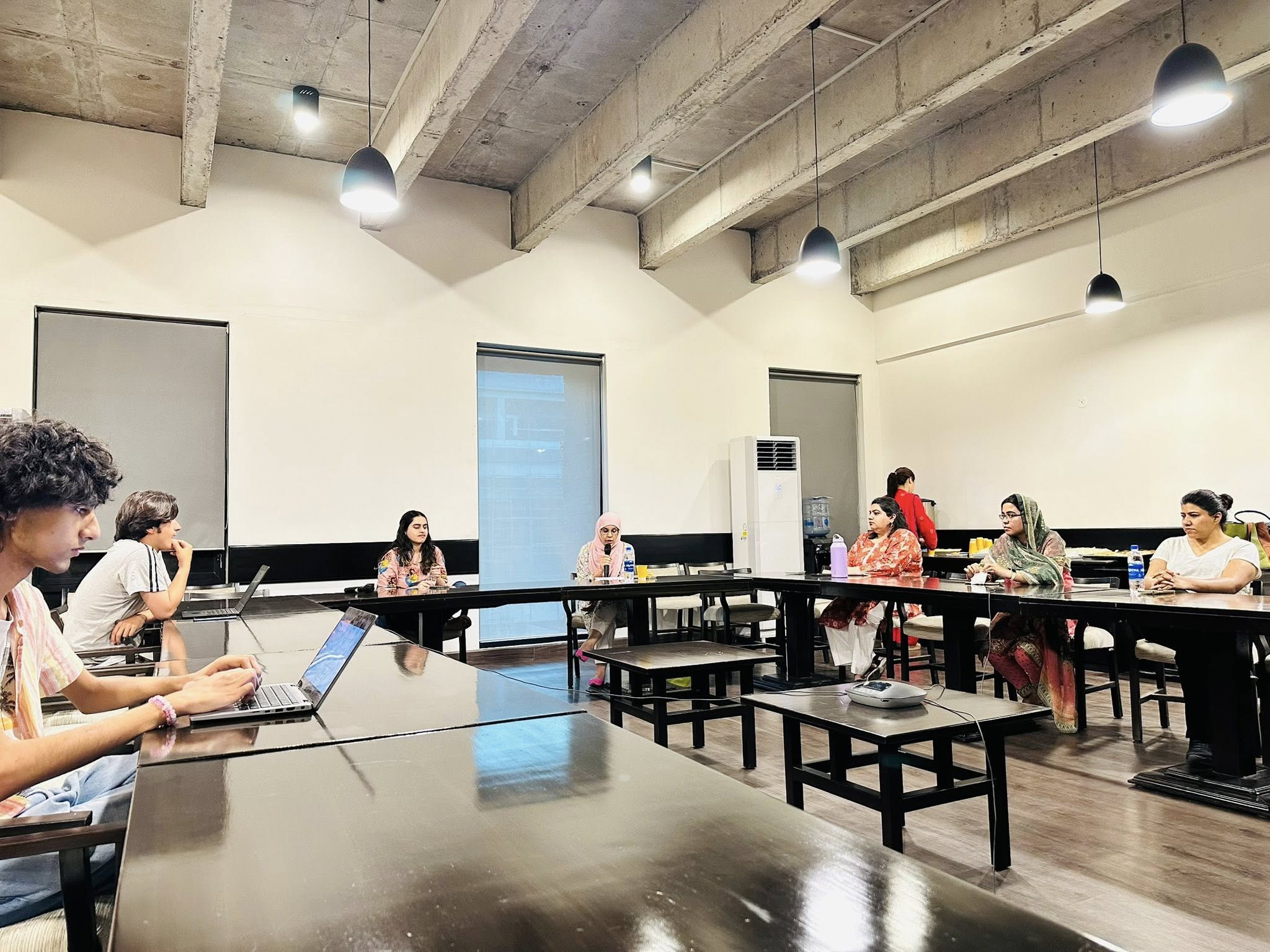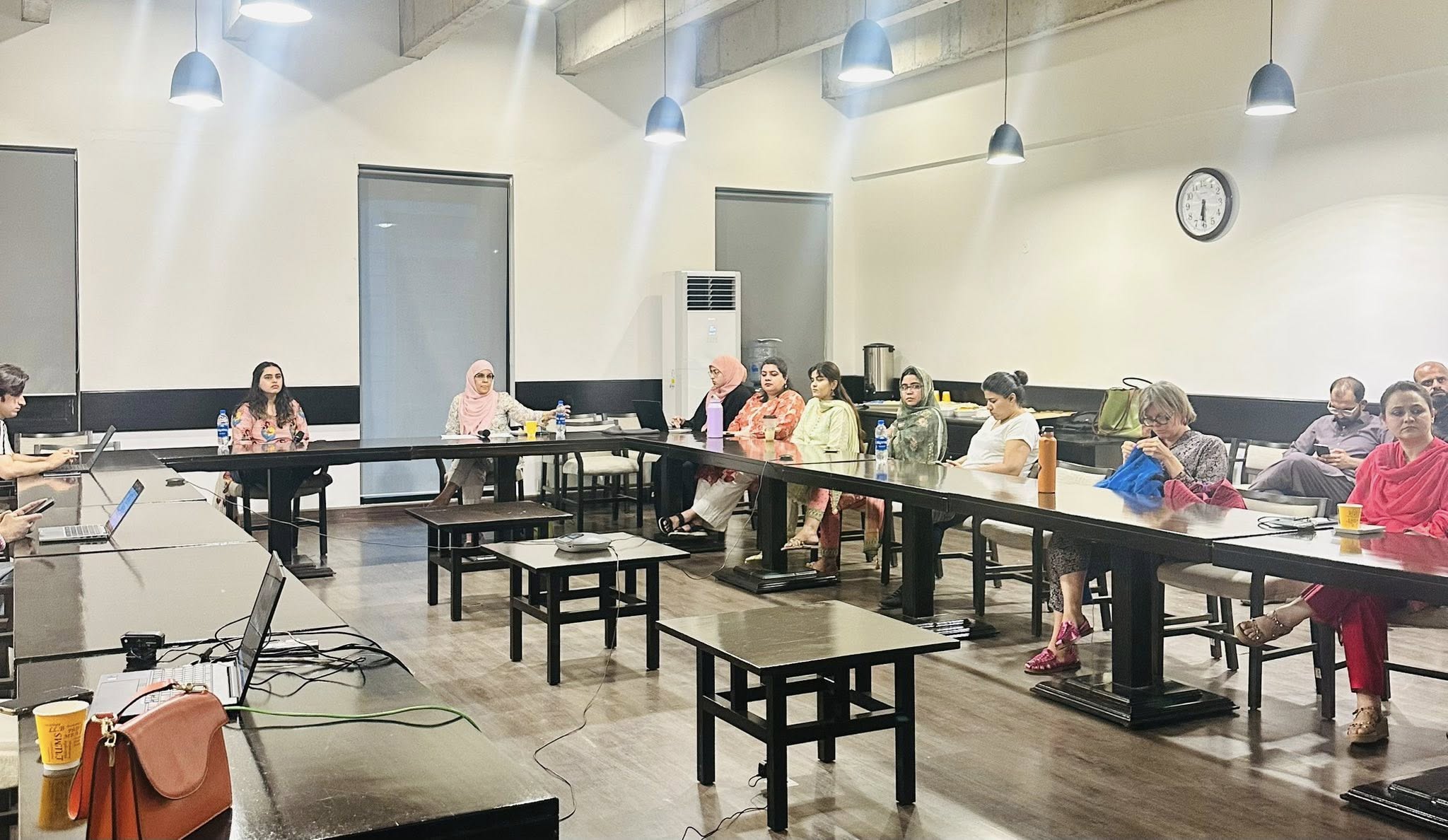


VC Faculty Lounge, First Floor, Academic Block, LUMS
Period poverty is a multidimensional structural inequality shaped by social norms, economic barriers, and legal frameworks, and is further intensified in contexts of climate crisis. To understand this, it is essential that we situate menstruation within its broader social and economic context, while interrogating its cost. In this regard, the taxation of period products emerges not merely as a fiscal issue, but as a reflection of how menstruation itself is perceived within society.
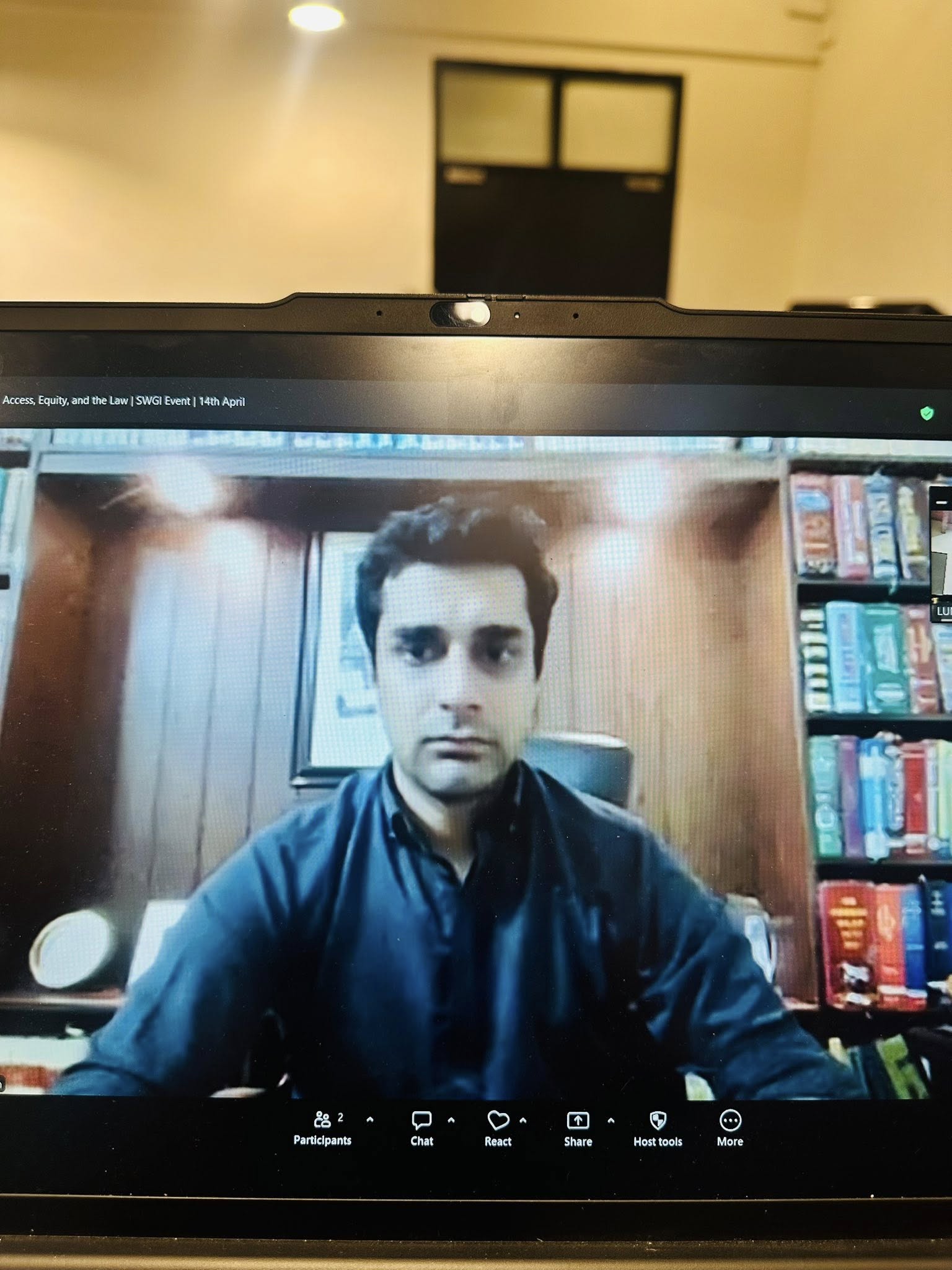
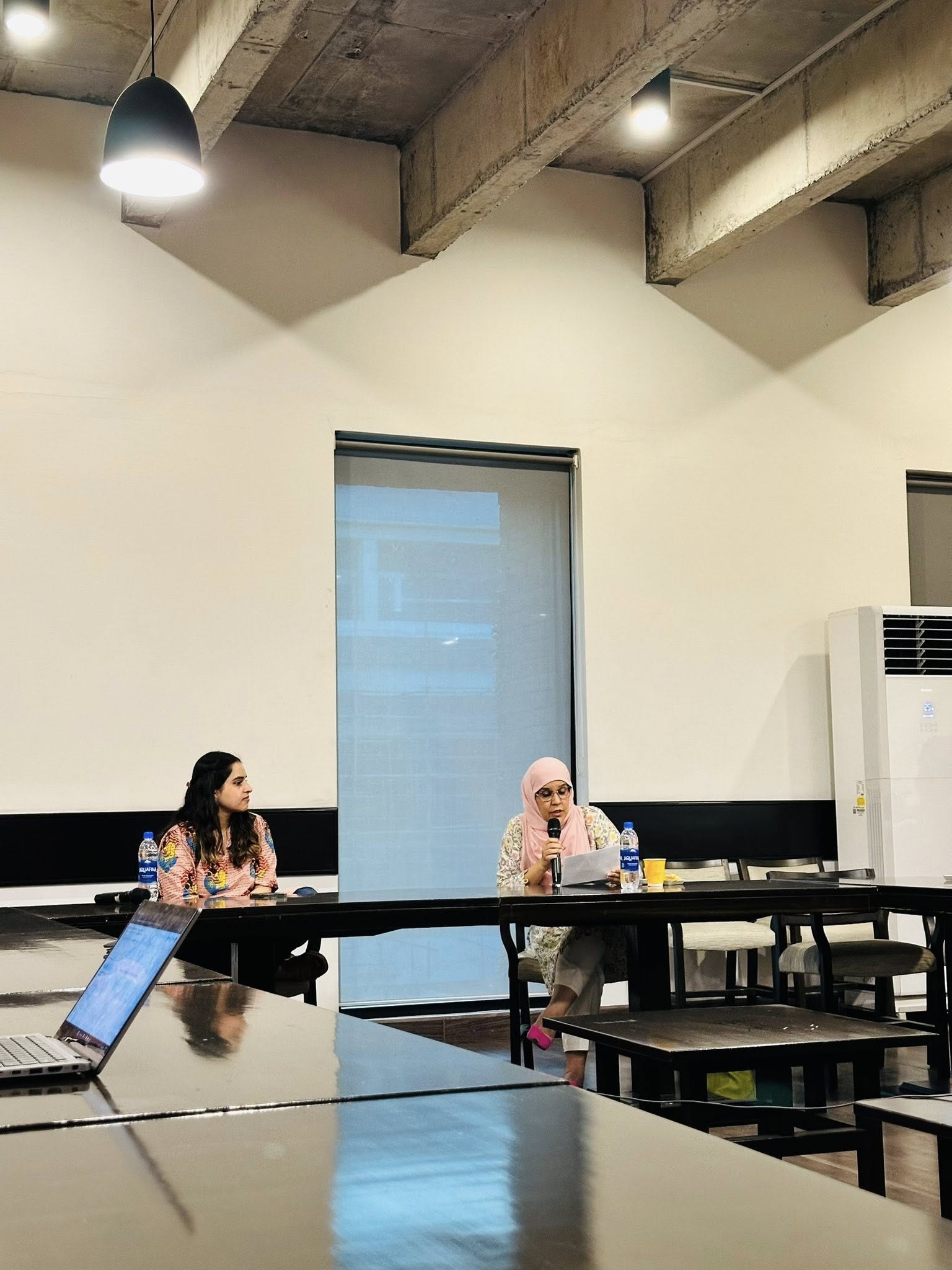
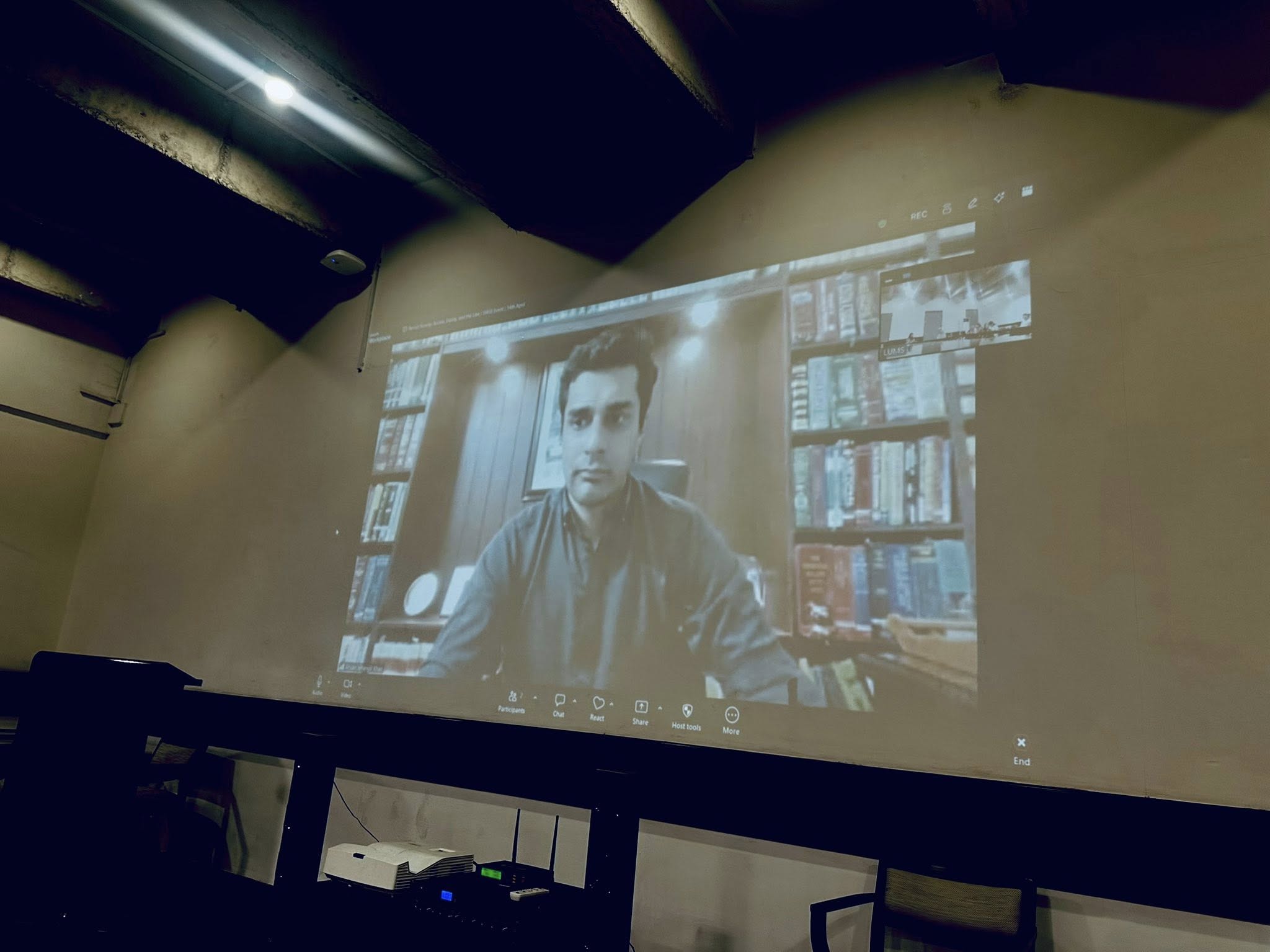
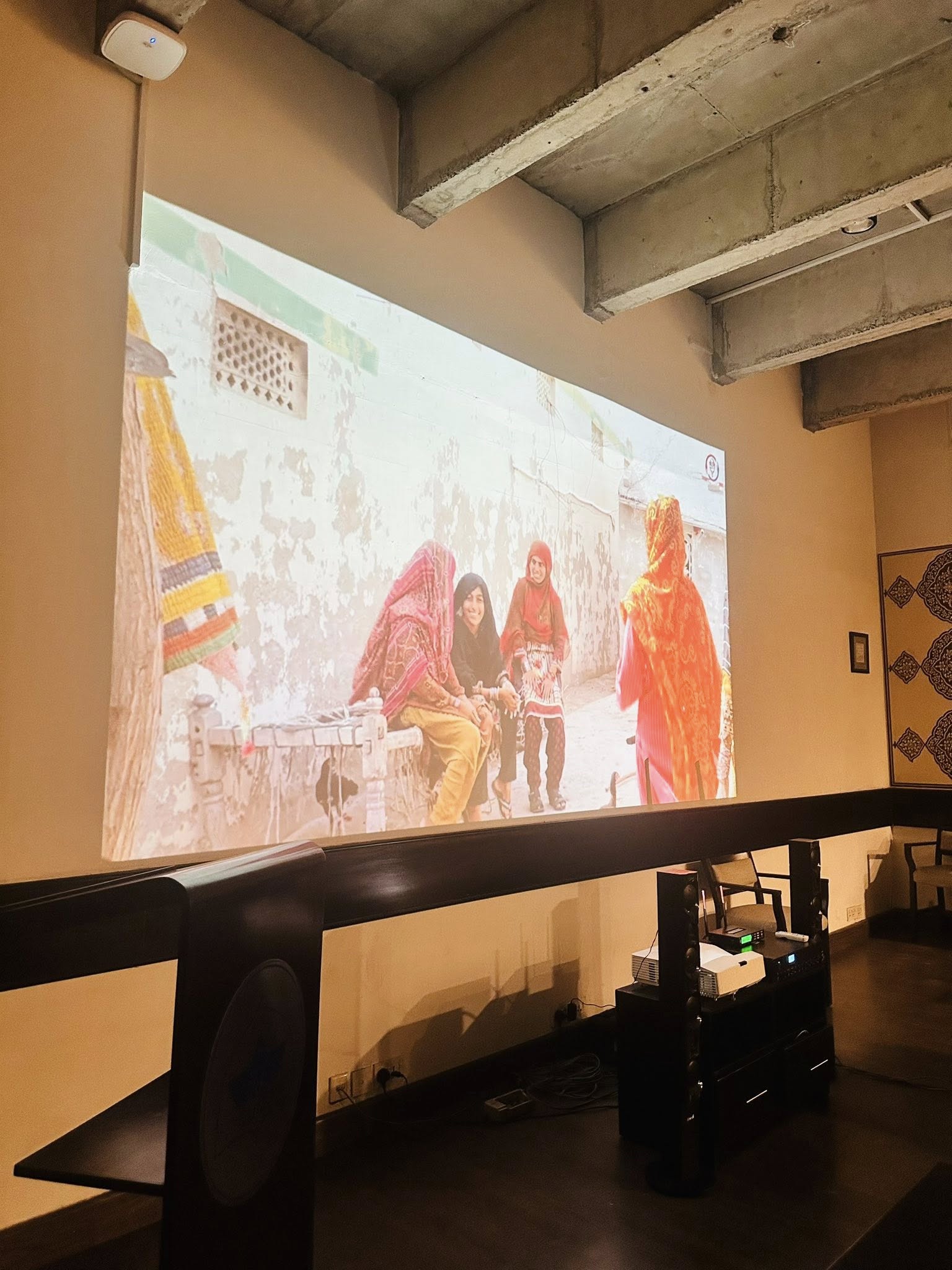
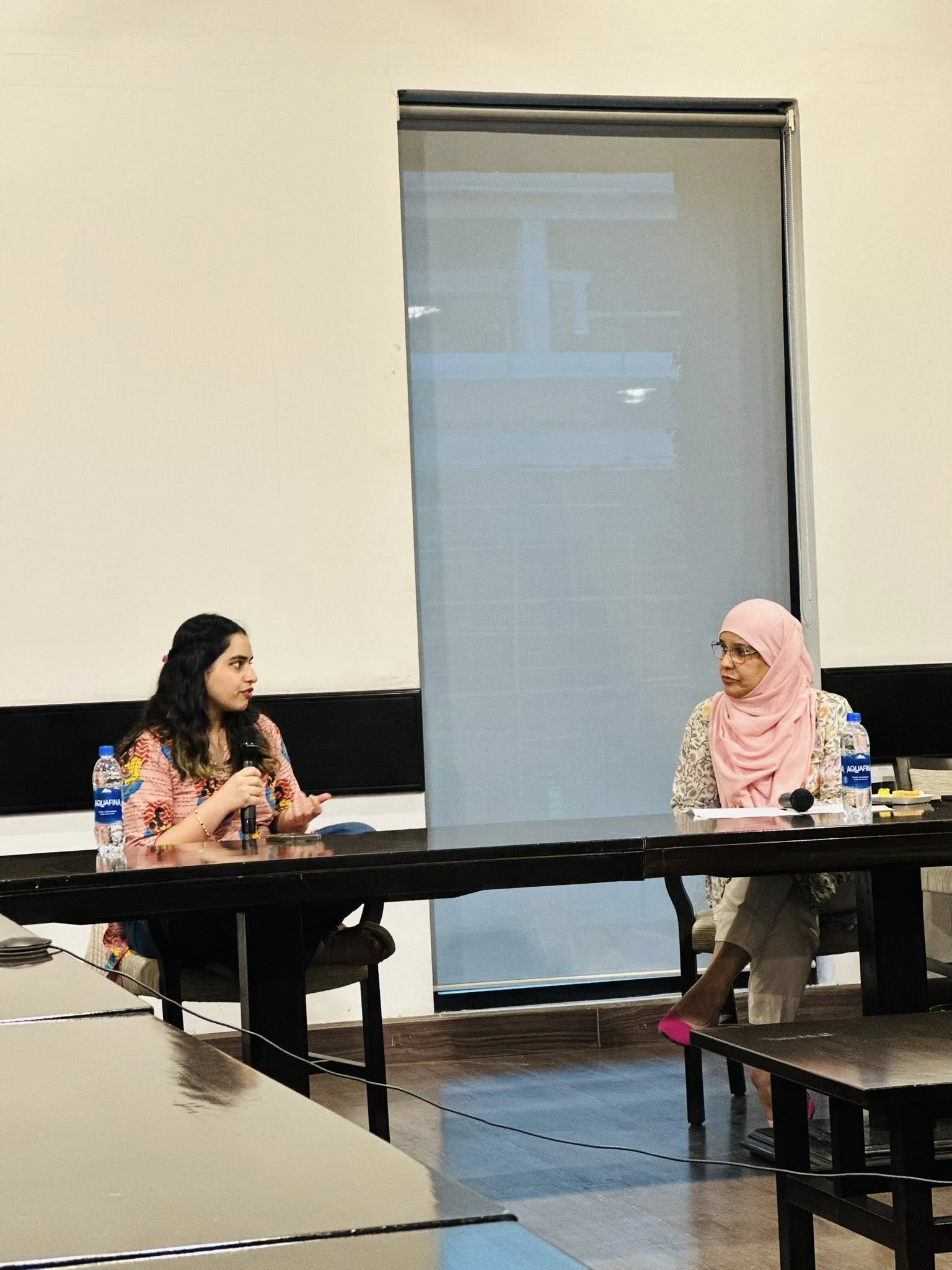
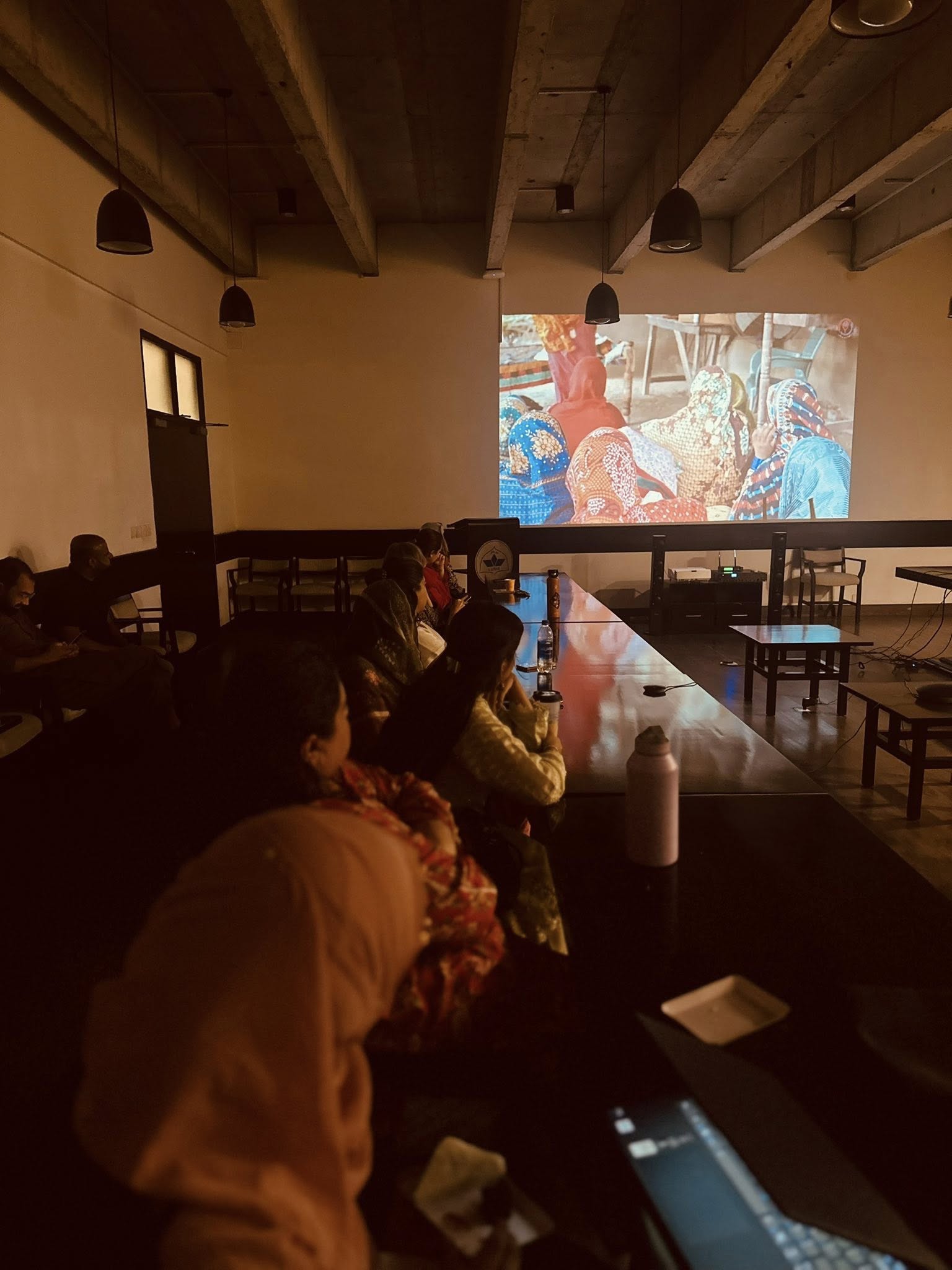
Drawing on field-based experience, our speakers, Bushra Mahnoor (Mahwari Justice) and Ahsan Khan (Advocate High Courts / JJ & Co.), highlighted the links between period poverty and climate-induced disasters, particularly flooding, demonstrating how displacement and disrupted infrastructures exacerbate existing vulnerabilities and render menstrual health needs even more precarious.
Complementing this, they also examined how period poverty is a fundamental rights issue not only as a matter of survival, but as the right to live with dignity and fully participate in social life. By challenging the taxation of menstrual products and advocating for policy reform, this approach positions menstrual health as integral to equality, dignity, and substantive citizenship. Together, the panel reframed period poverty as a systemic issue that extends beyond access to products, calling for a shift from charitable responses to rights-based, structural solutions grounded in social justice, legal accountability, and inclusive policy design.
MEDIA GALLERY